
Our people
Find contact details and explore who does what in the School of Arts and Creative Technologies.
.JPG)
.jpeg)

Research interests:
Interactive media art, interaction design, theory and aesthetics of digital media; affordance, embodiment, memory; sound art, interactive sonification, sound design, listening practices, sonic memories; design of digital music instruments, live electronics and live coding, acousmatic composition, film music.

Jethro Bagust
Research interests:
Music Technology; electroacoustic composition; sound recording; electronic instrument design, practice, performance and improvisation.
Research interests:
British and European art cinema, particularly the films of Terence Davies; intertextuality; literary adaptation; documentary filmmaking

Research interests:
Political theatre, particularly Bertolt Brecht, the Berliner Ensemble, Heiner Müller, dialectics on stage, and post-Brechtian performance; Rainer Werner Fassbinder and his work in the theatre; postdramatic theatre; modern German theatre; documentary theatre; theatre documentation.

Research interests:
Feminism and dramaturgy; twenty-first century new playwriting; the contemporary history play; feminist performance analysis; centenary and anniversary commemoration and performance practices; British theatre institutions and their wider socio-cultural contexts. Theatre practitioner specialising in devising and new writing.
Research interests:
Enabling the general public to interact with real-world data through the use of novel interactive technology and visualization techniques. Utilizing interactive technology, data visualizations and games for scientific outreach, digital civics and citizen science.


Research interests:
Multi-camera techniques, documentary production, studio drama, TV as a cultural industry and screen storytelling.

Research interests:
The main driving force behind my research is the belief that technology, media and music all have an important role to play in society, particularly for improving health, wellbeing and access. I am also extremely fascinated by the power of music to affect how people feel.

Research interests:
Film and television production teaching for single camera location and multi-camera studio work. Covering production methods, skills, techniques and technologies; specialising in cameras, lighting and grip equipment related to feature film, drama, documentary, music promos/commercials, multi-camera studio production and outside broadcast.

Research interests:
Skills and Training in Creative Technologies, Inclusive Education, Virtual Acoustics, Music Performance Analysis, Interactive Sonification, Voice Analysis and Synthesis


Research interests:
Music and Mission; Post/De-Colonialism and Music; Musicology and Archives; British music history outside Britain
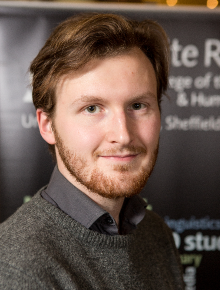
Research interests:
The music of Einojuhani Rautavaara; 20th/21st-century Nordic music; Tonality in the late-20th century; Music theory in education; Music and the natural environment

Research interests:
Music management theory and practice; audience studies and research; vocal music and other genres that combine music and text; sociology of music and music as a live experience
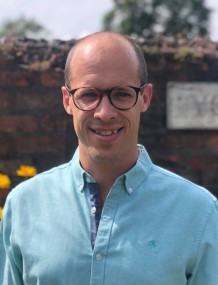
Research interests:
Modern British drama, political theatre, documentary and verbatim theatre, acting technique and training, voice and the actor, screen performance.

Research interests:
Digital Art and Culture (historic and contemporary digital arts practices, sensing, environmental impacts, science and technology studies, media archaeology, gaming cultures); Digital Literature and Interactive Storytelling (digital writing and storytelling practices, virtual environments, gaming and simulation). Digital Creativity and Design (generative algorithms, creative coding, web design, speculative and imaginary media).

Professor Xu Changjun

Dr Jennifer Cohen
Research interests:
Music education, Baroque music, performance practice, timing in performance, embodied music cognition, musicology.
Research interests:
Composition, ancient music, medieval music.
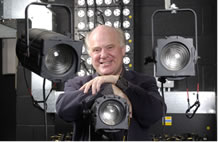
Research interests:
English drama 1580-1740; theatre, film and television comedy; post-1945 British theatre; analysis and history of acting and performance traditions; from script to performance.

Research interests:
- Music Education
- Musicians’ health and wellbeing
- Music performance

Research interests:
Cultural-historical musicology; opera studies; British music, internationalism and empire; performance histories; music, gender and sexuality; archival research and digital musicologies


Research interests:
Music Education; Contemporary Urban Music: Hip hop; EDM; Grime; House; Music Technology

Research interests:
Professional digital cinematography technologies and industry standards of practice in Film and Television. Film and digital camera production and lighting design. Production workflows for the Cinematographer.
Research interests:
Musicology, Composition: Jazz; improvisation; South African popular music.
Research interests:
Human-computer interaction and interaction design; educational technology and computer-supported collaborative learning; human-centred machine learning; design research.

David Featherstone
Research interests:
Embedded Systems & Electronics
Professor Ambrose Field
Research interests:
Composition; New aesthetics and compositional strategies; Postmodern Culture; Immersive media: performance and creativity.

Research interests:
Commissioning practices in new writing for theatre; directive commissioning; playwriting processes; the craft of playwriting; community & applied theatre; play analysis.
.png)
Research interests:
Film direction, observational documentary, slow cinema, film-diary; sound-image relationship, ‘cinematic silence’, aesthetics of film sound; Chantal Akerman, Michael Haneke, Andrei Tarkovsky, Michelangelo Antonioni, Agnès Varda and Sergei Parajanov; practice-based research, film authorship.
Louise Gibbs

Research interests:
Scenography; lighting design, in particular the agency of light in performance; phenomenology; aesthetics; contemporary performance practices; dramaturgy; object oriented ontology and applications to performance; forms of storytelling across theatre and performance.


Research interests:
Material appearance; virtual reality; human perception of colour and material; modelling and rendering of facial appearance; appearance transfer methods.

samuel.haddad-bacry@york.ac.uk
MBA/018
Research interests:
The determining factors of cultural consumption, how consumers apprehend the cultural abundance, and the accessibility of cultural goods, with a focus on classical music concerts.

Research interests:
Music Education: teaching; learning; performance.

Research interests:
Film and Television Production; producing, physical production and post-production. Screenwriting; story and script development. Film and Television distribution; international sales & acquisitions. Film and Television Finance. Art House cinema, French Cinema, and Studio Driven High Concept movies and Family Animation. Interdisciplinary fine art and media works that cross boundaries and create unique audience experiences.
Research interests:
Anglo-American television; representations of gender, race, and nation on TV and film; streaming cultures; Hungarian TV and film; transnational/transcultural media flows, particularly those between Eastern European and Anglo-American media cultures.

Research interests:
Nonprofit management and fundraising; interactive media and AI; art market studies; history of fundraising in London's art market (mid 19th c. /early 20th c.)

Research interests:
British cinema history, especially the silent period, and the 1990s/2000s; Film Europe in the 1920s; cinema and the past; national/transnational cinema; Anglia Television and the history of ITV.

Research interests:
To conduct research on the Enhancing Audio Description II project.
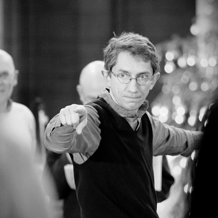
Research interests:
Performance: Renaissance and Baroque music; vocal ensembles.


Research interests:

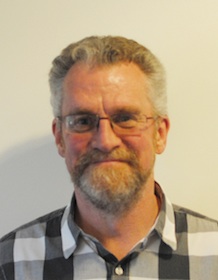

Research interests:
Musicology, Performance: contemporary musical aesthetics and analysis; music and literature; piano accompaniment.
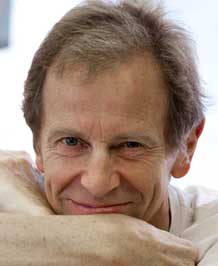
Christopher James

Dr Bethan Jones
Research interests:

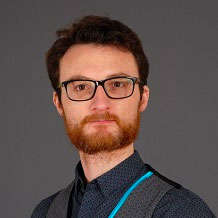
Research interests:
Digital media; action cinema; 3D; the representation of space and architecture on film; media archaeology.
Member of the Digital Cultures cluster.
Research interests:
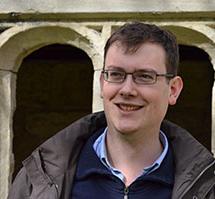
Medieval and early modern British drama, in particular the repertory of and performance by Elizabethan companies on tour; original practices and performance-as-research; the archaeology of medieval and post-medieval buildings; early theatre architectures.

Research interests:
Expanded filmmaking, media arts, multi-sensory environments, psychology of embodied experience, transmedia

Research interests:
Sound performance and sonic interactivity; sonic experience; phenomenology; sound design and storytelling; prototyping and remaking as design methods; history and philosophy of technology; noisemakers and sound effects
Research interests:
Interaction design for games and playful experiences; critical and speculative design; mobile and social play; animal-computer interaction.


Research interests:
Musicology, Performance: contemporary music and experimental music practices; music and embodiment/subjectivity/identity; music and language; Samuel Beckett.
Research interests:
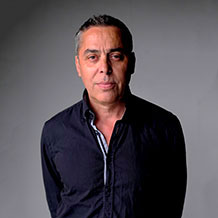
Film and television directing; story-telling; the magic of film; showbiz; creating worlds in the viewer's mind.

Research interests:
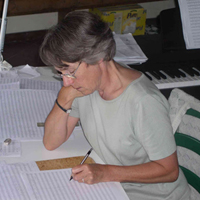
Scottish eighteenth-century music and its performance practice
Research interests:
Theatre and the posthuman; performing robots; twenty-first century drama; dramatic character; science-fiction theatre; technologies and film in theatre.

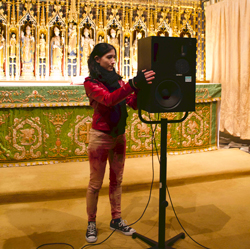
Research interests:
Sound Design for Theatre, Film and TV; Accessibility in audio-visual arts; Virtual Acoustics; York Mystery Plays; Digital Heritage.

Research interests:
Contemporary British theatre and performance; the relationship between text and performance; playwriting; adaptation for the stage; ecodramaturgy.
Research interests:
Contemporary British theatre and performance, devised and physical theatre, large-scale community productions, performance and social media.
Cathy Lowe

Research interests:
Sound recording, electronic dance music history, listening studies, music sociology, Dance Music Cultures.

Research interests:
- Musical Analysis of 20th Century and Contemporary Music
- Louis Andriessen, György Ligeti

Research interests:
Popular Music
Music Sociology
Reception Theory
The Music Industries
Research interests:
Film and TV production and postproduction; business of film and television; story and script development; single camera directing; cinematic virtual reality; advanced production and post-production technologies.


Research interests:
Interactive media; user experience; traditional storytelling; knowledge exchange; codesign; ethnography; design methods; community engagement.
Research interests:
Dance Music Cultures, visual and participatory arts, electroacoustic composition, electronic music production, creative practice.
Research interests:
The relationship between art, film and place; design and media histories; film exhibition and audiences; cultural policy; festivals and biennials; creative practice research; intercultural relations; curating and programming.


Research interests:

Research interests:
Music Education: teaching; learning; musicians' health and wellbeing; music psychology.
Research interests:
Music psychology; music and emotion; music science; empathy; quantitative research methods and analysis.

Research interests:
Music Education; Music-theatre; Opera; Composition

Research interests:
- Musicians' Health and Wellbeing
- Music Education
- Music Performance
.jpg)
Research interests:
Theatrical performance in the World War II Jewish ghetto at Terezín/Theresienstadt, modern Czech theatre, theories of affect, identity and subjectivity, playwriting, translation and adaptation for the stage.
Dr Michele Pizzi
Research interests:
Digital Signal Processing, Machine Learning, Speech Synthesis, Electronic Music Production, Electroacoustic Music.
.jpg)

Research interests:
Musicology, Music Education: teaching; learning; analysis; music and temporality.
Research interests:
Analysis of Recording Studio Practices; Gender in Audio and in Music Production; Western African Popular Music Industries; Improvisation Processes; Binaural Technology

Research interests:
Critical approaches to staging and unstageability; contemporary performance practice in the UK and Ireland; voice and music in contemporary theatre; autoethnographic approaches to writing about performance; pedagogies of theatre and performance in higher education.


Research interests:
- Classroom and peripatetic teacher collaborations
- Musicology in the secondary music classroom
- Intergenerational music education
- English Church Music
- Editing
Research interests:
Workflows and techniques for production and post production. Multi-camera studio techniques and processes. Editing and post production finishing in the storytelling process. Visual effects in theatre and interactive media.
Research interests:
Human-robot interaction, human-computer interaction, interaction design, user-centred design and evaluation methods. Quantitative and qualitative research methods. Acceptance and use of technology by older people. Accessibility, including AI and robotics to help age at home. Universal Design for (e)learning.


Research interests:
4E music cognition (Embodied, Embedded, Extended, Enactive); Psychology of musical creativity; Interdisciplinary musicology; Music performance and education.

Research interests:
Postproduction, 3D computer graphics and animation, media art, game design and production, participatory film-making, human-computer interaction, creative practice in technology.

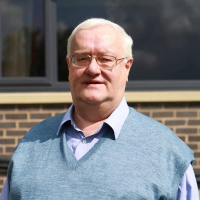

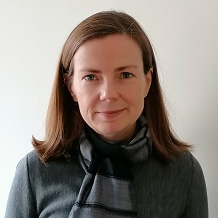
Research interests:
Musicology: contemporary and 20th-century opera production; Wagner; critical musicology.
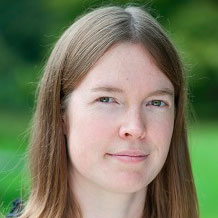
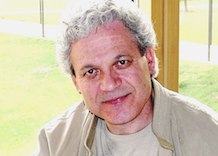
Research interests:
Composition: European modernism; contemporary music; the string quartet.

.jpeg)
Research interests:
Composition, Performance: contemporary performance practice; conducting.

Research interests:
Composition, Performance: spectral and microtonal music; live electronics; orchestration.

Research interests:
Digital Disruption; Popular Music; Music Streaming; Valuation Studies; Copyright
Research interests:
Economic geography, specifically geographies of the creative industries; immersive technology and media; critical heritage studies; visual methodologies; post-representational cartography.
Research interests:
Film industry scholarship, particularly the relationship between the film industries and cultures of Britain and Hollywood, national and transnational cinemas and the political economy of film and television institutions.

Research interests:
Sociology of film; cinema history; popular film genres (especially the horror movie); football on television; cultural studies.


Dr Cobi van Tonder
Research interests:
Working on project 'Acoustic Atlas: Cultivating the Capacity to Listen' with Dr Mariana Lopez. Funded by the European Commission.
Heritage Acoustics, Immersive Audio, 3D audio, Composition, Sound art and Sound Design.

Research interests:
Screenwriting; story and script development.

Research interests:
Music education, empathy, performance psychology.
Research interests:
Musicology: 16th- and 17th-century Italian and English music; performance practice; editing.
Research interests:
Single and multi-camera production techniques; writing for film and television; content creation; children's media production, regulation and financing.
.png)
Georgina Wells
 2.jpg)
Research interests:
- Popular Music and Religion
- Metamodernism and Music
- Theology and Musical Borrowing
- Music of the Afro-Atlantic
- Semiotics and Music’s Meanings
- Secularisation
- Intertextuality
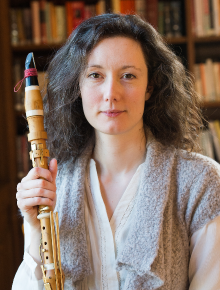
Research interests:
The practice and culture of performance in Western Classical Music 1750-1950; Historically Informed Performance in repertoire 1750-1950; Wind music performance and repertoire; History of sound recording and broadcasting
Research interests:
Music Technology, Music Production.
.jpg)
Research interests:
Design for behaviour change;
Participatory design;
Gender-sensitive design in human computer interaction.
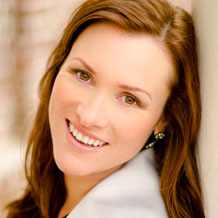
Research interests:
Vocal performance, including art song, opera, contemporary music and musical theatre, vocal health and pedagogy.
Dr Monika Zabrocka
Research interests:
